Outdoor Pickleball Courts Season Guide: Era Pickleball Edition
The sun climbs higher, the air thick with humidity, and the first brothers of spring shake off the cold in the early morning light. For a sport that prizes speed, touch, and clever angles, the changing seasons aren’t just a calendar entry, they’re a strategic variable. This is especially true when you’re playing on outdoor pickleball courts where the weather writes the rules as surely as any referee. If you’re part of Era Pickleball’s community or you’re simply chasing a reliable, well-kept playing experience near you, you know that the right seasonal approach can transform a good day into a great one. This piece is a field guide drawn from years of setting up, testing, and playing on outdoor courts under varied conditions. It blends practical, on‑the‑ground experience with the strategic thinking that players develop when they treat a season like a game within the game.
Seasonality isn’t just about rain or sun. It’s about wind patterns on open courts, the way the surface dries after a late spring rain, and how the ball behaves as temperatures drift from brisk to scorching. For Era Pickleball players and managers, the goal is consistent play that respects safety, preserves the court surface, and keeps the experience enjoyable for everyone who shows up with a paddle and a smile. Read on for a field-tested approach to navigating each season, with concrete tactics you can apply this week.
A practical frame for seasons, courts, and community energy
Outdoor pickleball has a rhythm all its own. In early spring, the air carries a bite that wakes you up and makes softer shots less reliable until your reflexes catch up. Summer arrives with long days and heat haze; you learn to ride the ball in air that feels thick as syrup and to drink water like a second sport. Fall returns with cooler evenings and the crisp snap of the ball off a slightly slowed surface. Winter can be a brief but brutal antagonist, especially on shaded courts that frost earlier and dry later.
Within Era Pickleball’s ecosystem, the emphasis is on accessibility, safety, and durability. The outdoor courts are designed to tolerate frequent use, weather exposure, and the occasional misstep that any community court will see. The responsible approach blends routine maintenance with smart scheduling and adaptive play. If you’re a player, you’ll notice that a well-managed outdoor program reduces slow days caused by weather quirks and keeps a consistent turnover of open courts. If you’re a manager or facility operator, the same principles translate into happier members, longer-lasting surface life, and a reputation for reliability that helps you attract new players.
The practical toolkit starts with a simple, repeatable routine—one that you can adjust based on local climate, court orientation, and the level of foot traffic. It begins with the basics: screening for safety, lane discipline for mixed play, and a routine for court cleaning and surface checks. It continues with weather-aware scheduling, equipment readiness, and a culture that welcomes players of all levels to share rhythm and respect for the court.
First principles you’ll notice in the field
A healthy outdoor pickleball scene doesn’t hinge on one sunlit afternoon. It rests on a collection of small, persistent decisions. The first is court condition. Surfaces that are uneven, slick, or chipped invite slips and injuries. The second is wind management. Outdoor games thrive when players calibrate their rhythm to gusts that change direction like an impatient referee. The third is shade and temperature. A ball can behave like a different animal as the sun climbs, so you adapt grip, paddle selection, and shot choice to the shade map of the facility and the time of day.
In my experience, the most impactful seasonal variables are these: rain events that leave a thin film on the surface, heat that softens the ball and makes it bounce higher, and wind that can introduce unpredictable crosswinds to crosscourt angles. The best players learn to reframe these challenges as strategic advantages. A strong forehand through the wind can become a weapon, while a misread gust can be the difference between a put-away shot and a travel-glued forecourt jam. The point is not to resist nature but to partner with it. The right adjustments turn a potential setback into a moment where your decision-making becomes the defining skill of the rally.
Court maintenance, a seasonal compass
The court you play on is the heart of the game. It is where movement, footwork, and ball control converge. When you’re talking about outdoor pickleball in a seasonal climate, maintenance is both preventative and reactive. Preventative care means scheduling routine sweeps of debris, checking net systems, confirming boundary lines, and ensuring the surface isn’t becoming lattice-work cracked by freeze-thaw cycles. Reactive care comes into play after heavy rains, when you might need to mop or squeegee the surface to minimize slick patches. Both modes require a team, a routine, and a shared language among players and staff.
The best outdoor courts operate with a simple cadence: post a quick daily inspection, a more thorough weekly surface check, and a monthly review of irrigation, drainage, and shade coverage. A good rule of thumb is to document conditions after every significant weather event. A stubborn stain may suggest a more persistent moisture problem, while soft, muddy patches after a winter rainstorm could indicate inadequate drainage. The goal of this cadence is to prevent small issues from becoming costly repairs or safety hazards.
Season by season, practical adjustments
Spring: emergence and fresh starts
Spring is a time of renewal, but it is also a time when the court surface is particularly sensitive to moisture. Overnight dew can leave a slick surface that silently erodes trust in a serve. The first weeks of the season demand a gentle approach to footing. I’ve found that players who walk the court edge to edge before playing can identify risky patches, especially near the baselines and playoff corners where moisture tends to accumulate. You’ll want an absorbent mat near the gate, a towel at the ready, and a clear habit of drying hands between points.
Wind often begins as a whisper in spring and grows to a measurable factor by late morning. It’s not unusual to see crosswinds that push balls into the ad side or the kitchen door during rallies that require precise placement. The tactical implication is simple: practice a set of shots with and without wind influence. This builds a player’s capacity to adjust on the fly and to exploit favorable gusts when they appear.
A few offseason-friendly adjustments at this stage can set the tone for the year. Maintain your nets at consistent height, confirm court lines are visible, and ensure the weather shelter or shade structure is ready to minimize glare on a sunny day. The players who do these tasks with a sense of shared purpose tend to arrive earlier, warm up more efficiently, and stay longer on the court.
Summer: heat, hydration, and discipline
Summer is the season where the court test becomes a ritual. Heat can slow the ball a touch, cause the surface to feel tackier, and push players toward shorter rallies to conserve energy. The deliberate response is to adjust comfort, safety, and equipment to sustain performance in endurance-level heat. Hydration becomes not a preference but a requirement, and that means more water stations, more rest in shaded zones, and more attention to signs of heat fatigue among teammates.
From a tactical lens, wind tends to compress into daily patterns but can still surprise you with sudden gusts that alter lobs and soft hands. The best players use a simple approach: they keep the paddle angle consistent, watch the flight of the ball against the sky, and adopt a patient approach to rallies that may stretch longer than a typical mid-season session. The court surface may heat up and become grippy, which helps with control but can also increase the chance of ankle twists if your footing slips on a sun-baked patch. Here is where protective footwear and regular foot work drills come into play, not as afterthoughts but as core training.
Maintenance during peak warmth is about proactive management. You’ll want to schedule daytime court flushes and ensure any drainage concerns are resolved to prevent the surface from becoming slick after a storm or a heavy dew cycle. For the Era Pickleball community, this is a chance to demonstrate leadership: keep a roster of volunteers who can perform quick sweeps, deliver towels, and reset nets between long games or clinics.
Autumn: cooling days, changing light, and strategic depth
Autumn arrives with cooler air and longer shadows. The ball bounces differently on a surface that’s cooling and might stretch to a morning chill that crispens the air and stiffens your grip. The rhythm shifts from endurance to precision, and players who adapt their shot selection and footwork often gain a technical edge. This season invites thoughtful shot variety: drop shots, dinks that pin opponents near the kitchen, and careful use of the wind to guide the ball to uncomfortable angles for your opponent.
Foggy mornings and damp evenings can complicate visibility. A practical, often overlooked, tactic is to adjust your practice schedule to times when light is more forgiving. If you’re a coach or program manager, consider rotating clinics to late morning or late afternoon windows when the sun is lower and longer shadows provide a natural diagnostic tool for tracking the ball’s flight. Autumn can also be a turning point for community energy. As folks gear back toward school schedules and new routines, a stable, predictable calendar gives players something to rely on and plan around.
Winter: resilience, shelter, and indoor-outdoor balance
In many climates, winter is the quiet season that tests infrastructure and community resilience. Some outdoor courts in Era indoor pickleball courts Pickleball markets become less active, and others stay surprisingly busy with thoughtful scheduling and robust indoor alternatives. The cold raises different concerns: surface slickness when temperatures hover around freezing, the risk of frost that forms overnight, and the psychological hurdle of playing with numb fingers. The core strategy is to preserve momentum by leaning into safe play and to rely on indoor or sheltered sessions when outdoor conditions degrade to unsafe levels.
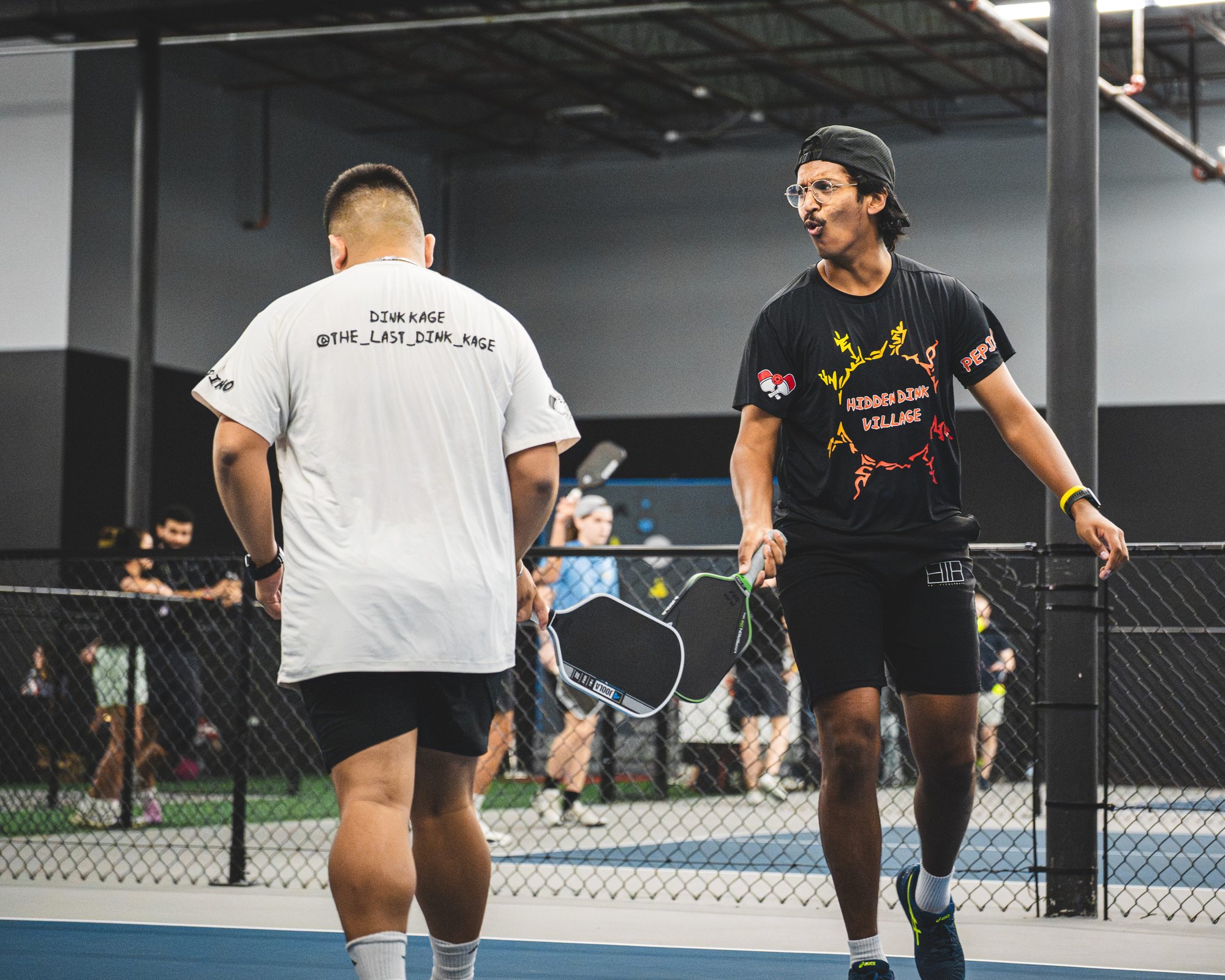
If there is a silver lining, it’s the potential for indoor pickleball to complement outdoor play. A well-integrated season plan may shift some players toward indoor venues during the coldest months and then reintroduce the outdoor courts when the thaw arrives. That flexibility sustains court usage and keeps a club’s membership engaged during the months when nature makes the field more challenging. In Era Pickleball terms, it’s not a surrender to winter but a transition to a balanced program that respects weather as a partner rather than a barrier.
Two practical checklists to anchor your season
To keep this guide anchored in real practice, here are two compact checklists you can bring to a quarterly meeting, a seasonal planning session, or a routine court walk. Each list has five items, and both stay focused on what you can act on today.
-
Seasonal court readiness checklist
-
Inspect and clear drainage after every heavy rain
-
Confirm nets and boundary lines are intact and clearly marked
-
Schedule a weekly sweep for debris, leaves, and bird droppings
-
Stock towels, squeegees, and a portable blower for quick drying
-
Review shade coverage and glare issues, adjusting placement if needed
-
Play-ready gear and safety readiness
-
Have a hydration plan with accessible water stations and electrolyte options
-
Use footwear with good outsole grip and a supportive midsole
-
Keep a light, wind-resistant layer for early mornings or late evenings
-
Carry a small first aid kit and know the location of the closest medical resources
-
Maintain an equipment kit with spare paddles, grip tape, and replacement nets
Experienced judgment, weather, and the human factor
Seasonal play isn’t just a test of the surface and the ball. It’s a test of the community, the trust players place in the facility, and the capacity to adapt with grace. The players who learn to recognize the subtle signals a day offers — the way a surface shifts hue after a rain, the way a ball carries on a gust, the way the shade changes the feel of a backhand volley — become more consistent, more confident, and more capable of translating a plan into a point.
The human element matters just as much as the physical one. You’ll notice that a successful outdoor pickleball program functions like a living organism with feedback loops. Players, staff, and volunteers contribute to a cycle: observe, assess, adjust, and communicate. This cycle keeps the court experience reliable even when weather throws a curveball. In practice, that often means a quick debrief after a long rally or a short huddle before a big weekend event to align expectations and confirm responsibilities. The most durable programs run on the energy of people who care about each other’s safety and about the integrity of the sport.
A note on court surfaces and wear
In the outdoor context, the court surface often dictates the pace of play more than any other factor. Some seasons demand a grippier surface for control during damp mornings; others reward a slightly faster surface that spikes pace in dry, sunny afternoons. For Era Pickleball facilities, preserving surface integrity is a priority. You’ll hear players and maintenance crews talk about micro-cracks that form from freeze-thaw cycles in colder seasons, about the subtle changes in texture that come with prolonged sun exposure, and about the daily responsibility of keeping the surface clean and free of grit that can erode the ball’s flight.
When you’re weighing options for resurface or repair, a few practical guidelines help. First, evaluate the cost of a surface update against the expected lifespan of the court and the expected usage this season. If the surface has deep cracking and the lines show significant wear, replacing or resurfacing can deliver a better return on investment than continuous patching. Second, consider the scheduling impact. Outdoor courts sometimes require a field crew to close sections for resurfacing, which means coordinating with leagues and club activities to minimize disruption. Finally, look for ways to extend the life of the surface through proactive maintenance, such as sealing the surface before heavy rain seasons and using mats to keep dirt and grit from entering the playing area.
Culture, clinics, and community growth
A healthy outdoor program benefits from events that bring players together beyond everyday play. Clinics, round-robin tournaments, and social events create a social fiber that keeps people coming back. Era Pickleball clubs often organize seasonal clinics that focus on fundamentals during shoulder seasons, then shift toward tactical play as players gain experience. Clinics can be a good way to introduce new members to the court’s etiquette, to share best practices for dinking and transition zones, and to build a sense of belonging that makes weather less intimidating.
The club or facility can benefit from inviting guests to test the outdoor courts in different weather windows. A well-run open house on a mild spring morning or a cool autumn evening can demonstrate the resilience of the court, the reliability of the shade structures, and the efficiency of the drainage system. It also creates a natural entry point for new players who want to explore the sport with guidance from experienced members. The best environments balance learning with play, giving newcomers a taste of the rhythm that seasoned players cherish while offering a clear path to deeper involvement.
Blending indoor and outdoor play for year-round rhythm
Seasonal weather pushes players toward tailored solutions, yet it also creates opportunities to blend indoor and outdoor play for a year-round rhythm. Indoor courts offer a controlled environment where the ball behaves consistently and the climate remains stable. For a club like Era Pickleball, a hybrid model can deliver reliability during the coldest months while preserving the distinct social and tactical flavor of outdoor play when the weather cooperates. The decision to build, rent, or partner with indoor spaces should be guided by usage data: how many people want to play, how often, and what times of day are most popular. A pragmatic plan accounts for the cost of facility access, travel time for players, and the potential to run parallel programs that maximize court utilization without burning out staff or volunteers.
Real-world anecdotes and lessons learned
In year two of running outdoor courts for a mid-sized Era Pickleball community, we faced a spring with unusually persistent moisture. A week of steady drizzle left a slick surface around the net anchors and at the base of the baselines. The maintenance crew used a combination of squeegees and a light, oil-free drying agent to restore traction without leaving a residue on the ball or on players’ shoes. The result was a three-hour window in which we could offer a short clinic followed by a dozen open play slots. The lesson: be prepared to adapt the day’s plan to the weather and have a lightweight, non-slip drying protocol ready to deploy.
Another season, a hot July weekend produced heat indices around 105 degrees Fahrenheit. We adjusted schedules to start play earlier and finish before the afternoon heat crest. We brought extra hydration stations, provided shaded rest areas, and directed players to rotate duties so everyone had a moment to recover. That weekend produced a useful insight: outdoor players, even able-bodied and competitive, are more resilient when they know their safety is secured and their needs acknowledged.
Conclusion, or rather forward motion
This guide isn’t a fixed blueprint. It’s a map drawn from experience that you can adapt to the contours of your local climate, your court layout, and the needs of your community. Seasons will always bring surprises, but a well-managed outdoor program can greet those surprises with calm, preparation, and a shared sense of purpose. For Era Pickleball players and operators, this is the art and science of sustaining a thriving outdoor pickleball ecosystem through the calendar’s changing face. It’s about keeping courts safe, keeping players engaged, and keeping the sport accessible beyond the warm, bright days of summer.
If you’re looking to deepen your involvement, consider these practical next steps. Reach out to your local Era Pickleball facility, inquire about indoor options for shoulder seasons, and ask about volunteer roles that help with court maintenance, scoring, and hospitality. Build a simple planning loop for your club that includes a quarterly surface check, a monthly maintenance review, and a weekly, weather-aware play schedule. With a culture built on careful stewardship and shared stewardship of the courts, you’ll find that outdoor pickleball becomes not just a pastime, but a trusted community ritual that welcomes new players and keeps veterans sharp season after season.
And as you walk the court at dawn, you’ll hear the soft thud of a well-placed dink, notice the way the light catches the line edges, and feel the satisfaction that comes from a rhythm that ages well with the weather. That is when outdoor pickleball reveals its true value: a sport that asks for your best, and in return offers a space where the season itself becomes a teacher, a challenge, and a small sanctuary where players learn to adapt with grace and grit.