How to Choose the Right pickleball classes at Era Pickleball
The first thing I learned when I started coaching at Era Pickleball is that passion alone does not guarantee progress. Players arrive with different bodies, schedules, and goals, and the real magic happens when a class program respects those differences. Era Pickleball isn’t just a one-size-fits-all stack of drills. It’s a living system built around coaching instincts, practical pathways, and a willingness to adjust on the fly. If you want to elevate your game, you need a class plan that matches your level, your tempo, and your ambitions. Below is a practical guide drawn from years of running clinics, watching players struggle with mismatched formats, and refining what works at eras courts.
Choosing the right pickleball classes begins long before you sign up. It pickleball near me starts with clarity about what you want to improve and how you learn best. Some players want sharper footwork and faster reactions. Others chase consistency in serves and returns. A few aim to transition from doubles to singles with confidence. At Era Pickleball, the class ecosystem is designed to accommodate all of these aims without forcing players into a rigid ladder. The key is to understand the ecosystem and position yourself within it to maximize every heartbeat on the court.
Understanding the Era Pickleball class ecosystem
Era Pickleball has a layered approach to training that mirrors the way players actually improve. There are entry points that cover fundamentals, mid-level courses that deepen technique and strategy, and advanced sessions that push decision making under pressure. The structure is intentionally modular so you can mix and match topics as your schedule allows. One week you might focus on dinking discipline and the next on transition offense. This flexibility matters because real improvement comes from repeated exposure to the right concepts in different contexts, not from a single, intensified burst.
What you should look for in a class description
When you read a class description, the signal you want is specificity. A good Era Pickleball class will name the core skills and the intended outcomes. If a listing talks in generalities, that’s a red flag. Look for phrases like: “drill sequence focused on control under pressure,” “live-ball scenarios that mirror doubles play,” or “video review with individual feedback.” The best programs couple technique work with situational drills. You want to see a plan that translates into on-court outcomes rather than abstract improvements.
The role of the instructor in your progression
When I audit a program, I listen for three things in the coaching staff. First, how immediate is the feedback? If a coach can correct your footwork in the moment without breaking your rhythm, you’re in a good place. Second, is there a clear progression from one session to the next? A coherent ladder matters because improvement compounds. Third, do coaches tailor drills to the group’s mix of players or do they treat everyone as if they were the same? Era Pickleball thrives when coaches read the court in real time, adjust tempo, and provide individual pointers within a group setting. That blend keeps sessions productive and morale high.
How to assess your current level and aim
A lot of players enter classes with a rough self-assessment that feels safe but isn’t precise enough to guide progress. The smarter move is to pair a candid self-evaluation with feedback from a coach. Ask yourself a few practical questions: Are you moving well enough on the court to chase balls efficiently? Do you understand your better options off the bounce in key scenarios, such as the transition to the net or the third shot drop? Do you have a reliable serve and return that you can repeat consistently under pressure? If you can answer with concrete descriptions rather than vague impressions, you’ll be able to identify the class that actually fits.
Two pathways through Era Pickleball: fundamentals versus refinement
The ecosystem can feel like a field with two main trails. One leads toward the fundamentals and the other toward refinement of specific weapons and decision making. For beginners or players returning after a break, the fundamentals track is the most efficient route. It emphasizes consistent mechanics, court positioning, and the basic communication that doubles teams rely on. For players who can rally and have a handle on the basics, the refinement path sharpens specialty shots, reads, and tempo control. You can think of it as building a strong base and then adding nuanced tools on top.
The sensory and cognitive cadence of a class
A durable improvement pattern comes from a class that blends sensory feedback with cognitive challenge. Seasoned players notice their movements under fatigue, see how a drill translates into a real point, and then adjust. In Era Pickleball sessions I’ve watched, the most effective formats weave in movement cues, shot-specific cues, and situational decision points. The result is not just muscle memory but a sharper court sense. You leave with more than technique; you leave with a framework to interpret what happens in your next match.
What to expect in a typical Era Pickleball class session
A strong class has a rhythm that respects both the body and the mind. You’ll usually begin with dynamic movement to prime the legs and hips, followed by a quick review of the day’s focus. Expect a short demonstration, then a sequence of drills that escalate in complexity. The coach will drop into the group with targeted pointers for individuals and then step back to let you apply what you’ve learned in controlled live play. A session often ends with a brief reflection, sometimes a short video review, and a few practical takeaways to practice between visits.
Case studies from the court
In one clinic, a long-time doubles player discovered that a slightly wider stance at contact during the third shot drop dramatically improved control after the net. The adjustment didn’t require wholesale changes to his grip; it was a small shift in weight transfer that yielded cleaner contact. He spent ten minutes with the coach rehearsing the tiny adjustment, then applied it in a live drill with a partner pressing him on the net. The result was faster wins and less frustration when the pace ramped up. In another session, a new player who struggled with read-and-react footwork found relief in a drill that emphasized return path and split-step timing. The breakthrough came not from a flashy shot but from understanding how to create more predictable ball trajectories for herself and her partner.
Two critical questions you should answer before committing
- Do you prefer a structured progression that builds on each session or a more modular format where you pick topics as you go? The former is great for long-term consistency; the latter suits busy schedules and curiosity about multiple aspects of the game.
- How do you learn best under pressure? Some players thrive with live play, others benefit from longer practice blocks that isolate a single skill. A good Era Pickleball class will accommodate both by rotating emphasis within a single session or across a short series.
If you’re chasing a practical decision, here are a few ways to map your calendar to the Era Pickleball schedule
- Block your weeks with one fundamentals session and one specialty module, alternating every other week. It creates a steady rhythm without saturating your week.
- Pair a technique-focused class with a strategy-oriented session. The technique element anchors your improvement while the strategy drill pushes you to apply it in context.
- Save a few weekend sessions for review and light play. A relaxed environment often reveals gaps that you miss during intensity, and spotting them during a casual session helps you carry improvement into your regular games.
What to look for in era pickleball classes: practical signals of value
If you’re evaluating options at erapickleball.com or in person, keep an eye on three practical signals:
- Clear skill targets: The class should articulate which skills you’ll practice and what success looks like. It’s not enough to say you’ll improve your serve; you should know the serve’s intended trajectory, pace, and how you’ll measure improvement.
- Scalable challenges: A good program presents drills that scale with the group. When a drill gets too easy, there should be a natural progression that maintains the challenge without sacrificing safety.
- Feedback cadence: A strong coaching team returns frequent feedback in the moment and then follows up with a recap after the session. Look for opportunities to receive individualized pointers even in a group format.
The reality of trade-offs and limits
No program is perfect for every person. The reality of a city-wide pickleball scene is that courts fill up, travel times matter, and coaches must balance volume with quality. At Era Pickleball, the most common trade-off you’ll encounter is between breadth of topics and depth within each topic. Some players crave exposure to many different skills in a short period; others want to drill a single skill to near mastery. The best choice is the one that aligns with your personal tempo and your forthcoming match calendar. Recognize that you may need to sample a couple of different classes before you land on the routine that sticks.
How to maximize your time in a Era Pickleball class
Preparation matters as much as perspiration. Before you arrive, review the day’s objectives and assess any nagging issues from your last session. Bring a notebook or use a quick notes app to jot down a couple of pointers from the coach. On the court, stay present with the drill sequence instead of waiting for your turn. When the coach asks for volunteers, take a pace that feels safe but assertive. Building the habit of quickly applying instruction in short windows makes it easier to carry improvements into matches.
Particular attention for different types of players
- Beginners who are learning the lay of the land should look for classes that mix footwork with ball control. A patient, systematic approach helps reduce frustration and forges a sense of accomplishment early.
- Returning players or those reimagining their technique benefit from a reset of fundamentals. It’s surprisingly common to carry old habits that don’t suit the current game. A reset can create an immediate uplift.
- Intermediate players chasing transition play should seek sessions that emphasize speed, decision making, and shot selection in tight spaces. The right drills can improve both your pace and your patience.
- Advanced players who want coaching that targets pressure points in the doubles rally will benefit from video review, situational drills, and competitive drills that approximate real match tempo.
Two lists to consider when evaluating class options
-
What to ask a coach about the program
-
How is progression structured from week to week?
-
What are the explicit goals for this class?
-
How is feedback delivered during and after each session?
-
Can drills be scaled for different skill levels on the court?
-
What resources exist for practice outside class, such as videos or printable drills?
-
Red flags to watch for
-
Vague outcomes with no concrete metrics
-
A heavy emphasis on drills without any live-play component
-
Large groups with little individualized attention
-
Inflexible scheduling that makes it hard to attend regularly
-
Frequent changes in instructors without documentation of the coaching approach
A note on measuring improvement
Improvement can feel slippery because it’s not always visible in a single rally. The best indicators are consistent, tangible shifts in your play across several matches. Do you find yourself initiating the net approach more often after a few sessions? Are you recovering lost points with fewer dumb errors on the third shot? Do you feel more confident in your return and your serve under pressure? If you answer yes to these questions after a couple of weeks, the class is delivering value.
The social and community dimension
Pickleball classes at Era Pickleball aren’t simply about technique. They are also about learning through observation and shared experiences. You watch better players model control and rhythm, you borrow their patterns, and you learn to communicate more effectively with your partner. The social fabric matters because it creates a climate of accountability. When you know you’ll share a court with players who care about the same progress you do, you’ll push a little harder and stay a little longer on the court.
Budgeting time and money
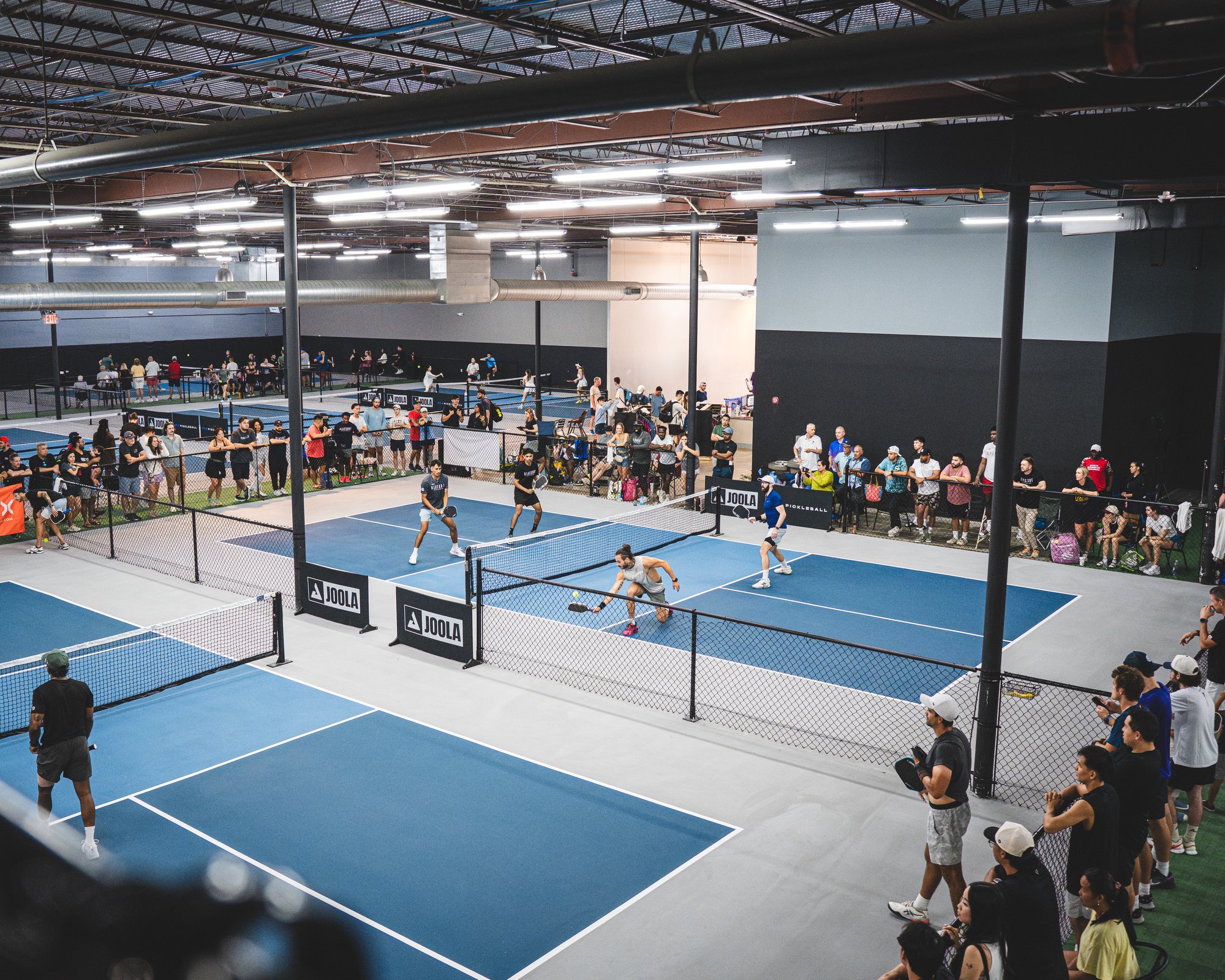
Like any commitment, the cost and time investment matter. A well-structured program is not just a financial outlay; it’s a time allocation that should align with your goals and your other commitments. If you’re saving up for a tournament, you may want to lean into more frequent sessions for a concentrated period. If you’re balancing work and family, you might prefer shorter, more frequent clinics that target specific skills you can implement quickly. It’s perfectly reasonable to pace yourself. The right plan will adapt to seasonal availability and personal energy cycles.
Real-world takeaways from Era Pickleball experiences
I’ve watched players from all backgrounds find traction within the Era Pickleball framework. A college athlete recruited for doubles found her rhythm after a cycle of sessions that emphasized pivot points and shot anticipation. A weekend warrior who had never played doubles outside a casual backyard setting finally started using the non-dominant side effectively after a month of targeted practice and weekly feedback. A retiree who wanted to stay active discovered a steady improvement curve by combining technique sessions with social clinics, which offered a softer pace while still pushing him toward meaningful gains. Every story is different, but the throughline remains consistent: structured practice paired with coach feedback yields measurable difference over weeks, not months.
How to approach your first visit to Era Pickleball
If you’re reading this and weighing your first sign-up, here is a pragmatic approach. Pick a class that matches your current level and has concrete outcomes. Arrive early to warm up, watch the other players, and absorb the coaching style before you participate. When you’re on court, listen for a couple of specific cues from the coach and try them in the first five shots you hit. After class, write down two or three actionable takeaways, and set a small, achievable target for your next practice or match. If you can carry that mindset into three or four sessions, you’ll be surprised at how quickly the skill stack builds.
The role of the era pickleball coaching network online
Online resources, including ergodic videos and short-form drills, can reinforce what you learn on the court. If the site lists pickleball training sessions as erapickleball.com, that can be a helpful supplement. But the most durable gains come from direct coaching and on-court experience. Use the online material to prime your brain for what you’ll work on in person, then test the ideas in real play with feedback from a coach.
A personal invitation to readers considering a move
If you’re contemplating your next step in pickleball, consider this: the right class is not just the one that teaches you to hit the ball. It’s the one that makes you smarter on the court in real time. The kind of class where you leave with a sharper sense of what you’re trying to accomplish, and you have a plan for how to obtain it. Era Pickleball has built something that honors both the art and science of the sport. It’s not about chasing a finish line; it’s about cultivating a practice that fits your life and your game.
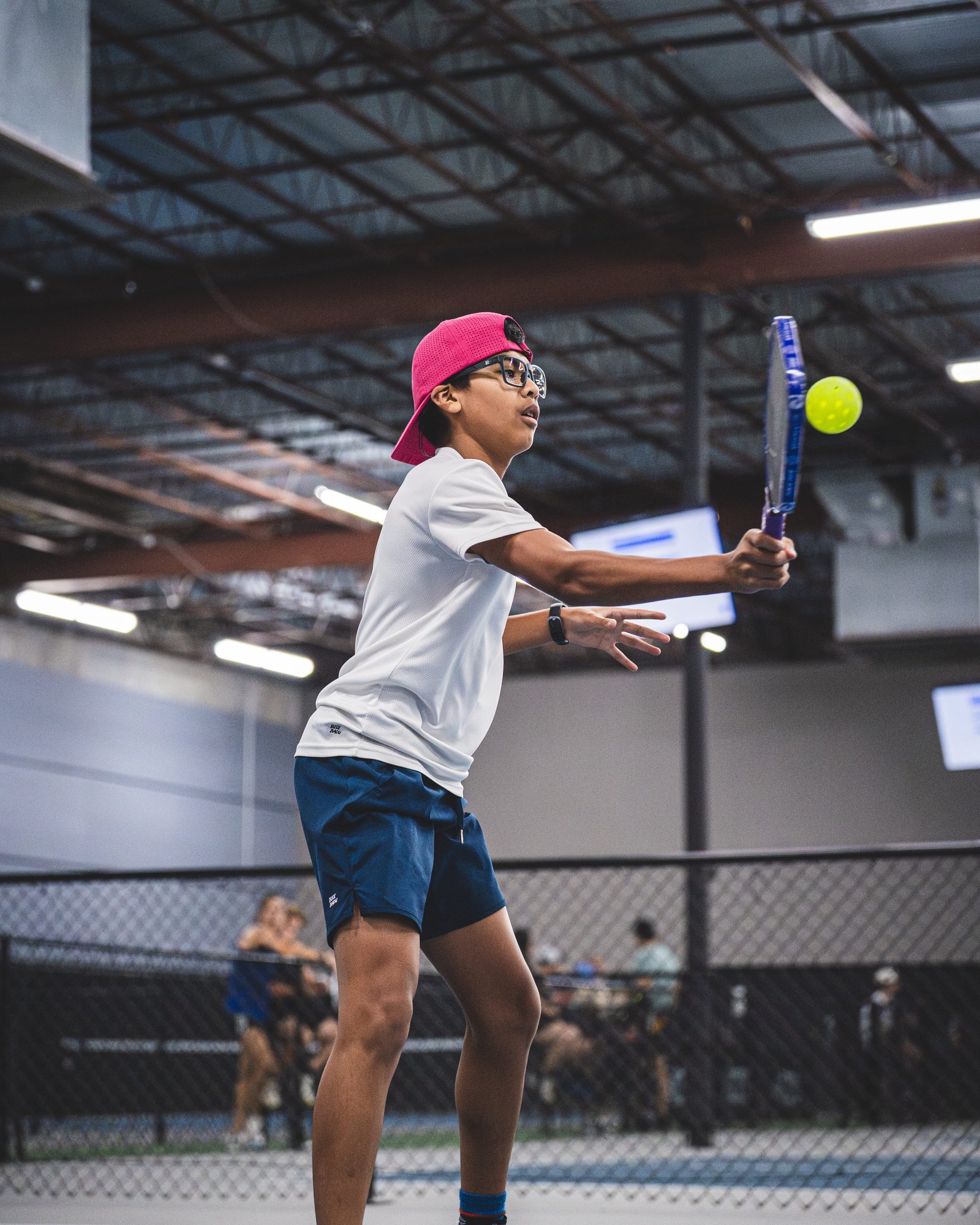
Closing reflections on choosing wisely
The journey to better pickleball is not a single milestone. It’s a series of small, deliberate improvements that accumulate over time. When you choose classes at Era Pickleball, you’re signing up for a structure that respects your limits while pushing you slightly beyond them. You’ll likely make mistakes along the way, and that is part of the process. The goal is to keep moving, with intention, toward play that feels effortless and productive at the same time. If you approach your sessions with curiosity, the feedback will become more useful, and your improvements more durable.
What makes this approach hard to replicate
There are several reasons why an ecosystem like Era Pickleball’s can be hard to imitate. First, it requires coaches who see beyond technique and into the psychology of performance. Second, it needs a consistent pipeline of drills that adapt to the make-up of the class on any given day. Third, it demands a culture that values steady practice as much as flashy rallies. Not every club can stitch those pieces together. Yet when you find it, the result is a learning environment where improvement feels tangible, and the court becomes a place where you can trust your senses again.
A final note on your decision
If you’re on the fence, give yourself permission to sample a few sessions with different emphases. Perhaps you start with a fundamentals class to rebuild your base, then move into a strategy-driven session to test your decision making under pressure. Keep a simple log: what you learned, what clicked, what still felt awkward. You’ll be surprised at how quickly the patterns emerge and how clearly your path forward becomes defined.
The practical path forward
To help you take the next step, here are two practical routes that players commonly choose at Era Pickleball. Route A emphasizes steady, progressive improvement through the fundamentals with occasional forays into specialized topics. Route B centers on a more flexible, topic-driven approach that allows you to chase several skills in parallel while maintaining a core drills routine. Both paths can deliver noticeable gains in a short period when you commit to the schedule and apply the coach’s feedback between sessions.
If you’re curious about how a specific class might align with your goals, a quick phone call or email inquiry can help clarify. Era Pickleball staff are accustomed to guiding players toward the options that fit their schedules and ambitions. A thoughtful question now can save you weeks of confusion later.
A final reminder about the nature of improvement
Progress in pickleball is rarely dramatic in a single moment. It tends to arrive in quiet increments that feel almost unglamorous until you look back over a few weeks. The value of Era Pickleball lies in the combination of technical rigor, situational practice, and feedback loops that cultivate a reliable sense of control on the court. If you want a program that respects your pace, acknowledges your limits, and still nudges you toward higher performance, this is a good environment to explore. The results will show up where you play most—during your rallies, your serve returns, and the moments when you choose to move toward the net with confidence.
The journey is yours to begin. The courts at Era Pickleball await with a spectrum of classes designed to meet you where you are and carry you to where you want to be.