eras pickleball training: Drills to Elevate Your Game
Pickleball is not a game you master by luck or by chance. It is a craft built from consistent practice, thoughtful coaching, and drills that translate into real matches. At Era Pickleball, players come in with different goals: some want to shave a few points off their recreational games, others aim for competitive play, and a few are eyeing club championships. Across that spectrum, the most reliable path to improvement runs through training that is deliberate, measurable, and adaptable. This article unfolds a practical training approach that blends skill mechanics, decision making, and fitness into a cohesive program. It draws from real-world courts, spare moments in a gym, and the quiet hours between class times at era pickleball training facilities.
A good training plan begins with awareness. You need to know not just what to do, but why you are doing it, and how the drill pushes you toward a more consistent, smarter game. The drills outlined here are designed to push you incrementally, with clear progressions that respect your current level and your goals. You will notice a balance between technical repetition and game-like scenarios. The aim is to cultivate muscle memory for the most important shots, while also sharpening footwork and court sense under pressure.
The core idea is simple: make your practice feel like play, but with a purpose. When you rotate through drills with precision and focus, you build a reservoir of reliable responses. Your footwork becomes cleaner, your strokes more compact, and your ability to read the court more intuitive. The guidance that follows is not a one-size-fits-all prescription. It invites adaptation. It recognizes the limitations of your body, the layout of your local courts, and the schedule you manage with your pickleball classes Era Pickleball, or the structure you find at erapickleball.com pickleball training.
A note on environment and pacing. A well-run drill session respects your warmup as a signal to ramp into intensity. It also acknowledges the realities of a shared court. You will blend solo practice, partner drills, and short, controlled matches. The pace varies. Some days demand speed and efficiency; other days reward patience and precision. The most successful players learn to read their own energy, adjust the drill load accordingly, and still leave the session with tangible skill gains.
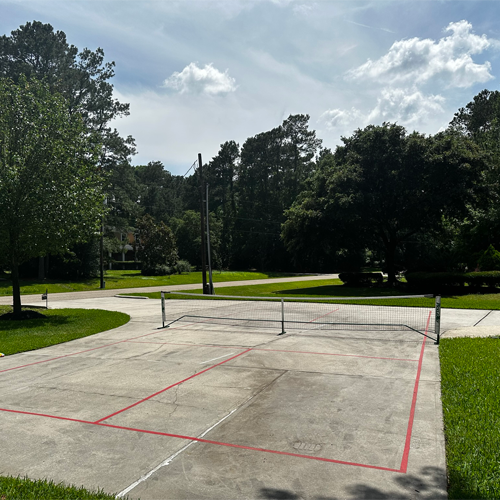
The skeleton of any good training plan is straightforward. You begin with a warmup that primes movement, then a sequence of drills that touch on core skills, followed by a short, controlled match that tests what you have built. The drills are organized to let you evolve. If you already have a strong backhand, you can spend more time on aggressive net play. If your movement is inconsistent, you lean into footwork patterns and pattern recognition on the court. The variety matters as much as the repetition.
Foundations first: movement, placement, and the rhythm of rallies
On court movement, the goal is fluidity rather than brute speed. A typical session starts with a warmup that blends dynamic stretches with groundwork: light lunges, ankle rotations, hip openers, and familiarizing your body with the quick directional changes pickleball demands. Movement drills then take the form of easy to moderate pace patterns that force you to read the flight of the ball, adjust your stance, and recover into a ready position.
A practical approach is a three-phase sequence: open stance to close, small-step recovery, and the transition to the next shot. In practice, you place yourself in the proper readiness position for every shot, then execute a quick, measured step to align your hips, torso, and paddle face with the ball. The emphasis is on minimizing wasted movement, which in turn reduces fatigue and improves consistency late in a rally.
Placement matters as much as power. A lot of the struggle in early matches comes from letting the ball hang in the middle of the court or watching too many balls drift long. The drills here aim to sharpen your ability to control depth, width, and height, so your shots carry the right amount of margin without sacrificing pace. You want the ball to land where you expect it to, even when your opponent presses you at the kitchen line or pushes you wide.
Ergonomics and stroke economy play a big role. When you swing with compact motion, you conserve energy and keep your shot options open. A compact stroke also tends to improve accuracy because the paddle path is more predictable. Practicing with small adjustments becomes a habit. Over time, you begin to notice subtle changes: a slightly shorter backswing, a more direct contact point, a smoother finish that does not pull you off balance.
The most valuable drills in this domain are those that connect movement and placement with the rhythm of a rally. A typical drill might involve a patient partner feeding balls to specific zones, allowing you to practice returning to a consistent midcourt position after each shot. The focus is not merely hitting the ball, but hitting the ball with intention toward location and speed that create a favorable next shot.
Net play: control, anticipation, and the art of the reset
Net play is where a lot of games swing in your favor or drift away in a matter of moments. It is the area where perception, touch, and decision making meet. Drills designed to improve net control emphasize two things: a reliable touch on fast exchanges and the mental reset after you miss a ball that looks like a sure point.
A good drill begins with the short volley exchange at the net from the kitchen line. The goal is to maintain a steady rhythm, gradually elevating the pace while keeping the paddle compact and the control precise. As you gain confidence, you can introduce variations such as dink exchanges that require you to adjust height, angle, and depth. The idea is to train yourself to respond to pressure with deliberate precision rather than reflexive, panicked hammering.
Anticipation is the other pillar of solid net play. The drill evolves from simple two-ball patterns to more complex sequences that require reading your opponent’s paddle motion, body position, and stance. You watch for weight transfer and shoulder rotation as cues for the direction and type of shot. The better you are at forecasting the next move, the more you can position yourself to cut off angles and keep the rally in your favor.
A practical habit to build is the reset after a successful dink or a short volley. In many matches, the point continues because nobody commits to finishing the rally. You want to cultivate a confident reset that forces your partner to work again for an advantageous shot. This is the moment to keep a calm spine and a steady breath, ensuring your return to the center of the court sets up your next decision cleanly.
Groundstrokes: forehand, backhand, and the art of consistency
Groundstrokes supply the backbone of most games. When your forehand or backhand is repeatable, you can press from the baseline or mix in drop shots that force a weak reply. The key is to treat each stroke as a system with a clearly defined contact point, paddle angle, and follow-through. Drills that nurture consistency often begin with repetitive, controlled rallies against a cooperative partner or a ball machine. The emphasis is not sheer power, but the reliability of your shot under moderate pressure.
One effective approach is to isolate the forehand and backhand in focused blocks. For example, you might start with a ball machine feeding into your forehand, ensuring a consistent contact point and racket speed. After a minute or two, you switch to your backhand, maintaining the same discipline. The transition between the two shots should feel seamless, almost like a single swing that changes angle midplane rather than a separate action.
Another valuable drill targets cross-court depth control. Here you train your ability to land the ball just inside the opponent’s extension, forcing a defensive response that creates opportunities to advance. You will incorporate occasional down-the-line shots to keep your opponent honest and to develop the awareness of how your body alignment affects shot selection. The aim is to build a natural swing that can adapt to the pace of the rally without sacrificing accuracy.
Drop shots and lobs add variety and strategic depth. A drop shot must feel like a soft touch that barely clears the net while staying within the correct diagonal corridor. Lobs, when used judiciously, push opponents back and create space for you to advance to the net or reset the point. Drills that train these shots often involve a feeder who places emphasis on height and arc. You learn to judge the moment when a drop shot transitions the rally from a defensive stance to an offensive opportunity.
The kitchen matters, but it is not everything. A well-rounded game requires you to blend aggressive returns with careful control. The drills here push you to maintain balance and posture while delivering a variety of spin and pace. Your coaching at Era Pickleball will reinforce the molecular feel of each stroke—the way your wrist flicks for topspin or the way your shoulders synchronize with your hips to generate stability through contact.
Serving and returning: the point starter and the counterpunch
Serving is the launchpad of every point. A reliable serve sets your tone and narrows the options for your opponent. The drills below focus on accuracy, depth, and consistency rather than sheer speed. A practical starting sequence is a service pattern that alternates between deep deep serves to the back line and shorter, more challenging serves that land inside the service box near the sideline. The aim is to develop a repertoire, so you are not locked into a single cue or flight pattern. With both your serve and return, the choice is about placement and predictability rather than power.
Returning serves requires anticipation and quick footwork. A common drill uses a constant stream of serves that land in a defined zone. You practice returning with a strong, controlled volley to a target area. The more you do this, the more you understand where to stand and how to angle your paddle to convert a defensive return into an immediate offensive opportunity. The interplay between serve and return becomes a rhythm you can rely on during real matches.
A practical tip for service thoughtfulness is to set a tempo that mirrors a pressure-filled rally. If you can serve with precision while maintaining composure, you can win crucial points even without imposing physical dominance. Your Era Pickleball coaching will emphasize the mental component of serving: controlling your breath, staying low, and focusing on one technical cue at a time rather than chasing a perfect shot.
Match play models: short games that teach decision flow
Sometimes the best lessons arrive in the small-scale competition. Short matches give you a safe space to test your drills in a realistic context. The goal is not just to win points, but to extract decision-making patterns that recur in longer matches. You should trust your training enough to rely on a few reliable patterns when the rally becomes crowded or when you are facing a fast, high ball.
A practical approach is the three-point mini-match. You play to three points with a tight rule set that forces you to decide quickly, keeping rallies crisp. You practice moving to the best defensive position, selecting the right shot under pressure, and resetting after a mistake. The coach can insert a constraint to simulate a real match scenario, such as forcing a certain shot type on every rally. The point is to build a mental map that you can access during longer matches after a long day on the court.
To translate skill into competition-ready habit, you want to run a series of these mini-matches with varied partners. Each partner brings a different style—one may prefer a fast pace at the net, another might test your patience with a patient deep rally. After a session, you reflect on the patterns that emerged: which shots you found easiest to trust, what you tended to neglect, and where you should adjust your footwork. This reflection is the bridge between drills and real match performance.
Training structure that respects time and goals
A day that revolves around drills should not feel like a grind. The best sessions are purposeful without becoming punitive. At Era Pickleball, many players structure their practice around three core blocks plus a concluding sensory check. The first block is movement and placement. It might be a 25-minute sequence where you connect footwork with shot choice, alternating between forehands and backhands, refining your stance, and testing your balance after each shot. The second block is net play and transition, a 20-minute focus on dink patterns, quick exchanges, and resets. The third block is groundstrokes and serve-return, a 25-minute block that ties together the skills you have practiced in movement and net work with the concrete demands of serving and returning under control.
Between blocks you pause briefly to jot down what you learned, what felt efficient, and what was awkward. A quick note on equipment and grip can be valuable in this moment. Some players realize they need to adjust their grip thickness to avoid tension in the forearm, while others discover a more compact arm swing improves control. The discipline to observe and adapt is what converts drills into lasting improvement.
A final, practical reality: progress may feel uneven. Some days you cruise through sequences with confidence, and other days a single misread shot can derail your flow. The key is consistency over time. The more you repeat the drill series with honest focus, the more subtle your improvements become. You start to see improvements not only in your on-court performance but in your ability to recover mentally after a mistake. You learn to reset quickly and shift back into the plan you had at the start of the point.
The role of coaching and community
Coaching matters because it introduces external feedback and keeps you honest. In a structured setting, a coach can identify small but meaningful bottlenecks—the way your paddle face closes too quickly, or how your weight shifts forward during a backswing, or the tendency to drift away from the center when under pressure. The Era Pickleball coaching staff brings a blend of long-tenured experience and modern, evidence-based practice. They understand how to program drills for different skill levels, how to scale intensity, and how to pace a season to avoid burnout.
Community on the court amplifies learning. Watching how other players approach the same drill can reveal blind spots you did not know you had. It is not about competition alone; it is about meals and conversations after practice, sharing insights about court geometry, and testing new ideas with partner feedback. The era pickleball class environment often feels less like a gym and more like a collaborative workshop. The sense of shared purpose helps people stay consistent with training schedules and push through the plateaus that are inevitable in any skill pursuit.
Common roadblocks and how to navigate them
No training plan survives contact with reality without a few wrinkles. You will encounter times when your timing is off, your shoulders feel heavy, or your focus drifts during a long rally. The best players treat these moments as data rather than verdicts. They slow the drill down, reduce the pace for a few exchanges, and re-center on the fundamentals they know will pay dividends: a solid stance, a ready paddle, and a calm breath before contact.
Another frequent issue is overcompensation. Some players lean into a single shot—perhaps the dink—too aggressively, abandoning other tool in their kit. The solution is to enforce a balanced practice that requires you to hit to a variety of places on the court and mix shot types in a way that resembles a real point distribution. Over time, you begin to notice your tendency to overcompensate for a missed shot and you learn how to correct it on the fly, a trait that translates directly into more stable performance during matches.
Limitations and edge cases deserve attention too. If you play in a small gym with hard surfaces, the ball may bounce differently than you expect. You adapt by adjusting your contact point and the paddle angle to maintain control. If you train with a ball machine that feeds balls in a fixed rhythm, you must practice with human partners too, because human variability is a crucial factor in reaction time and decision making. And if you train during a busy peak time at era pickleball training facilities, you learn to optimize your time by focusing on high-value drills and shorter, sharper sessions that deliver the same practice density in less time.
Two practical lists you can apply this week
-
A compact warmup sequence you can use before every drill block: dynamic ankle circles, hip openers, leg swings, shoulder rotations, light bouncing in place, and a couple of short sprints to wake the legs.
-
A simple habit to build after each drill: identify one improvement area, one point of feedback from a coach, and one adjustment to your stance or paddle angle for the next rally.
These two lists are designed to be easy to memorize and quick to implement. They are not about complexity; they are about reliability and accountability.
The discipline of reflection and growth
A crucial but often overlooked aspect of training is how you reflect after practice. A routine practice that ends with a brief evaluation tends to yield better long-term outcomes. Spend a few minutes after your session to assess what worked, what didn’t, and why. This is not a diary of mistakes; it is a structured reflection focused on translating the day’s work into tomorrow’s plan.
Your notebook or a notes app can become a personal coaching companion here. You can log the following: the drills you repeated, the level of intensity, your observed improvements, the specific shots that improved, and the conditions that affected performance. Over time, the notes reveal patterns—your common miss, the timing window where you hit the sweet spot more often, and the combinations that consistently create winning opportunities.
A long view on training and seasonality
Training for pickleball is a long game. You can approach it with a seasonal frame that aligns with your competitive goals and your life schedule. In high-activity seasons, you might emphasize quality over quantity, focusing on small blocks of drills with abbreviated matches to prevent fatigue and guard your eyes against overexposure to repetitive strain. In the off-season, you can deepen fundamentals, work on mobility and stabilization, and experiment with shot variants you rarely use in matches. The goal is to arrive at competition season with a toolbox that feels familiar and reliable, not foreign and confusing.
What to expect from a typical Era Pickleball class or training program
If you are new to era pickleball classes, you will likely start with a comprehensive evaluation. A coach will observe your forehand, backhand, serve, return, net play, movement, and balance. They will map a plan that addresses your most impactful gaps while honoring your strengths. The initial phase is about building comfort and confidence. As you gain familiarity, the focus shifts toward refining technique, accelerating footwork, and increasing shot variety. The coaching will feel practical and alive, with real-time feedback offered in a constructive way that encourages experimentation and steady improvement.
Frequently asked questions that often come up in coaching scenarios touch on common concerns. Players ask about the best sequence of drills for a particular week, and how to balance intensity with recovery. Some wonder about the role of cardio versus skill work, and others ask how to handle nerves in a big match. The answers are practical and grounded book pickleball court in experience. Cardio support is important, but the most meaningful gains come from quality practice that focuses on decision making and shot quality under pressure. If you invest in the right drills, you get a payoff that feels tangible every time you pull on a paddle.
A closing reflection on craft and community
The craft of pickleball training at era pickleball training facilities is not just about the mechanical act of hitting a ball. It is about discipline and curiosity. It is about showing up with a plan, listening to your body, and learning how to push your boundaries without losing control. It is about the relationship you develop with your coach, the encouragement you receive from fellow players, and the subtle shifts in your mental approach that come with consistent practice. The drills outlined here are not a checklist so much as a map. They guide you through a structured journey, with room to adjust as you grow.
Over time, the practice you invest in creates a rhythm that supports your growth. You start recognizing patterns in your own game—your preferred tempos, your most reliable shot selections, and the moments when you overstep and need to reset. The more you practice with intention, the more your decision making becomes automatic, leaving you to focus on tactics, tempo, and the finer details of court sense.
As you move through this training, you will notice a quiet shift. You begin to anticipate your opponent’s moves with more clarity, you manage rallies with greater stamina, and you play with a sense of control that frees you to be more creative at decisive moments. The relationship between training and performance grows more intimate, and your improvement feels less like luck and more like a hard-earned skill.
If your schedule allows, consider integrating pickleball classes Era Pickleball offers or visiting erapickleball.com pickleball training resources for guidance that aligns with your progress. A few thoughtful sessions can recalibrate your understanding of the court and refresh your approach to drills you have practiced for weeks. The point is not to chase novelty but to deepen reliability and flexibility in your game.
In the end, the value of this approach rests on two pillars. First, the drills provide a clear framework that helps you build the core capabilities of movement, shot selection, and court awareness. Second, the practice is designed to coexist with your life. It respects your energy, your schedule, and your long-term goals. When you combine a solid drill structure with attentive coaching and a community that shares the same ambition, you set the stage for meaningful, sustainable improvement.
If you are reading this and contemplating your next steps, remember that progress in pickleball is rarely dramatic and often incremental. Small, consistent gains compound over months and seasons, reshaping how you approach the game, how you pace a rally, and how you manage the pressure of competition. The drills described here are a practical invitation to begin that journey today, with the confidence that you are building a game that is efficient, adaptable, and deeply enjoyable.
The pathway to elevating your game is not a single trick or a single drill. It is a disciplined, evolving practice that harmonizes technique, movement, and strategy. With the right guidance from Era Pickleball coaching and the supportive energy of a learning community, your next session can bring you closer to the player you want to be. The court rewards effort and intention, and the drills you deploy now lay the groundwork for a steady rise in performance, point by point, rally by rally.