Era Pickleball: Tips to Master Indoor Court Etiquette
The first time I walked into Era Pickleball’s indoor courts, the sensory jumble hit me before the sound did. The air carried a faint scent of rubber and cleaning solution, the glow of LED lines traced the court like a modern map, and the murmur of players talking strategy drifted through polished walls. Within ten minutes I learned that etiquette here isn’t a footnote to play; it is the backbone that keeps games moving, turns friendly matches into learning moments, and protects the equipment that keeps the sport safe and fun. Indoor pickleball is fast, intimate, and unforgiving of even small lapses in courtesy. Master the etiquette, and you don’t just play well—you earn round-after-round trust with partners, opponents, and the staff who keep the facility humming.
What distinguishes Era Pickleball from other venues is how the community frames the space. This isn’t simply a facility with courts; it is a compact social ecosystem where respect for the court, for other players, and for the game itself translates into wins that aren’t measured solely in points. You’ll hear people talk about “court presence,” a phrase that encompasses preparation, rhythm, and the quiet confidence that you know how to behave when the pace quickens. If you’re stepping into Era for the first time or you’re looking to sharpen your inside the lines behavior, consider this article a field guide drawn from years of watching players negotiate the tricky edge between competition and courtesy.
A practical starting point is understanding the physical layout and the rhythm of the indoor courts. Era Pickleball venues typically feature a row of courts with clear sightlines, padded walls or barriers, and a chalked or painted line system that defines the boundaries. The floor is slick enough to demand proper footwear, yet grippy enough to let sharp angles and quick pivots happen without hesitation. The lighting is designed to minimize glare and maximize accuracy, a feature that pays dividends when players move between the serve line and the kitchen with velocity. And there is a subtle choreography to the hours of operation: warm-ups tend to be before peak times, the middle portions of the day are more performance-driven, and end-of-day sessions often lean toward scrimmage and drills. Regardless of when you arrive, the etiquette principles stay consistent because they are the glue that keeps the court safe and enjoyable for everyone.
Take a moment to visualize the court as a shared workspace. When I first learned to think of it that way, my approach changed. It isn’t about dominating your space; it’s about coordinating with others so that every rally has a chance to unfold predictably. You want your participation to feel like a cooperative effort, even in competitive matches. That mindset begins the moment you sign in, moves through your warm-up routine, and extends to the moment you walk off the court with a clear sense of where your next game will be and with whom. The person who turns up with a plan for communication, a calm voice, and a readiness to adjust has a durable edge that isn’t about wind or spin alone. It’s about being someone others want to partner with again.
Opening signals, service, and general on-court behavior deserve particular attention indoors. The indoor space amplifies the importance of clarity in communication. You may be playing alongside someone you haven’t met before, or with a partner who occupies a different style of play. Clear, respectful language matters. That starts with simple affirmations such as “your serve” or “I’ve got this one” to reduce confusion between who is taking the next shot or who is backing up. It also means using a consistent voice when you call balls in or out. In a crowded indoor court, a miscall can derail a rally and create a ripple of tension that lingers long after the point is over. If you’re learning to vocalize more effectively, practice a simple, honest cadence: call the ball early, call the result with confidence, and acknowledge your partner’s agreement with a short, direct confirmation.
The serve is the most consequential act that begins a rally. Indoors, the bounce and spin characteristics can be more pronounced than on outdoor courts, especially with controlled lighting and uniform court surfaces. A reliable service routine is a habit you can rely on during pressure moments. I’ve found that a strong indoor serve follows a few repeatable steps: stance with feet parallel and comfortable, racket ready at waist height, a short, controlled swing that produces a predictable trajectory, and a toss that remains consistent in height and location. Beyond technique, etiquette dictates how you treat the server and the returner. Don’t crowd the server, don’t lean over the line to influence a serve, and don’t “shadow” your opponents by standing too close to the line in their service box. The court is a shared arena, and keeping space is a sign of respect.
Then there is a subtler, equally important element: the rhythm at the net. The kitchen, or non-volley zone, sits at the center of many indoor rallies. Here the etiquette you practice off the ground bearing reflects your long-term relationships with teammates and opponents. There is a balance to be found between aggression and restraint. When you approach the net, your hands, stance, and footwork should project calm readiness rather than a posture of intimidation. It’s easy to fall into the trap of crowding opponents or “taking over” the net with a loud or abrupt presence. Instead, let your voice cut through the din in a measured way. A simple, steady call of “Mine” or “I’ve got it” can clear up a dozen potential misplays in a single exchange. If you’re new to this label, you’ll appreciate the difference between playing with confidence and playing with theatrics. Confidence earns you respect; theatrics erode it.
The way you handle faults and disagreements is another crucial part of indoor etiquette. Mistakes happen. In a fast-moving indoor game, you will misjudge a ball, trigger a fault, or misinterpret a line call at least once in every match. Your response under pressure sets the tone for the entire rally and, by extension, the tone of the match. The best players I’ve watched approach errors with three clean steps: acknowledge, move forward, and maintain composure. A simple, brief acknowledgment like “Sorry about that” or “My fault” is enough to reset the moment and prevent resentment from spreading. After the error, you should pivot immediately back into a focused rally. Do not harp on the mistake, do not over-explain at the table, and do not let your frustration spill into your body language. A calm demeanor invites your partner to stay engaged and your opponents to respect your commitment to the game rather than your emotions.
Players often ask about footwear and equipment. Indoor courts are forgiving on a misstep, but they reward good choices. I’ve learned through trial and error that the right combination of traction, support, and surface compatibility matters more than the newest paddle technology. Look for court-specific shoes with non-marking soles and ample lateral support. Court grip matters, but so does foot alignment and ankle stability. If your shoes are worn or grip is uneven, you’ll notice a steady drift to one direction or another, which can lead to awkward balance and awkward calls. It’s not glamorous, but it is practical: your feet determine your ability to react quickly, retreat from the kitchen, and reset after a cross-court shot. In terms of paddles, indoors you’ll appreciate a paddle with reliable control and a consistent sweet spot. The indoor environment makes the weight distribution of your paddle more impactful, so try out a few samples on the same court you’ll play on before you buy. A lot of the etiquette surrounding equipment is more about awareness than possession. If you walk onto a court with a clearly customized paddle and someone asks about it, be willing to explain why you prefer it and how it affects your play. Openness about equipment helps reduce suspicion and fosters a cooperative vibe.
Another reality of indoor play at Era Pickleball is the occasional demand for court sharing and rotating. Indoor facilities often operate on a lane-based schedule, and there can be times where you’re sharing a court with another group. Here the etiquette is straightforward and essential. When you arrive, check the posted rotation and be ready to slide into a space that works for everyone. If there is a conflict with who is first on a court, resolve it with courtesy, not posturing. A simple, human-to-human negotiation beats angry signaling every time. If you’re the one who triggers a rotation change, announce it with a calm, clear message. For example, “We’ll switch in two points so both sides get a turn.” It’s these small phrases that prevent a crowded, tense hour from becoming a test of patience.
Inside Era Pickleball spaces, minors and beginners deserve special attention. Indoor courts thrive on energy and enthusiasm, but that energy must be channeled into safe, constructive behavior. If you witness a younger player on the court, model calm technique, explain the rules succinctly, and offer a quick tip that improves their safety or strategic awareness. It’s not charity to show a newer player where the edge of the court is or how to avoid stepping on the line while recovering a shot. It’s building a community that can grow together. I’ve seen players take a moment after a point to offer a quick observation to a newer teammate: the fundamentals of ready stance, the importance of keeping paddle height consistent, or how to avoid turning a short dink into a risky upward swing. That kind of generosity in a high-energy setting is the glue that keeps the indoor pickleball scene inclusive and robust.
Now I want to cover a core routine that keeps the pace when the facility is at peak. The two most common pressure points are the serve cadence and the break rhythm between serves. You can ride the same boat and stay comfortable as long as you respect the shared tempo. I’ve learned to time my serves to create a predictable flow, even when the rally is rapid. If you take a longer walk to the service line than necessary, you break the rhythm and throw your partner off as well as your opponents. Conversely, too-quick a serve can catch everyone off guard and create a chaotic sequence where you’re trying to settle into a pattern while the other side seeks to disrupt you. The sweet spot is a deliberate, steady pace that becomes the default tempo in your group. You want to respond to your partner’s cues with a synchronized rhythm, not a reactive scramble.
If you want a practical framework to reference during matches, here is a concise guide to internalize. It isn’t a checklist that sits in the corner of your mind; it’s a mental script you run in real time. First, confirm the serve sequence with your partner at the start of the game and at the start of each new round. Second, call balls clearly and consistently so that your partner is always on the same page about what is in and out. Third, maintain court awareness by glancing at the boundaries and the rhythm of your opponents’ movements; this helps prevent unnecessary collisions or long, uncertain exchanges near the net. Fourth, keep your voice calm and constructive, especially if the rally becomes heated. Fifth, when the point ends, reset quickly by stepping back, returning the paddle to its neutral position, and giving your partner a nod or a brief word of encouragement. It’s these micro-moments, repeated across a couple dozen points, that determine whether you win a match or simply survive it.
Two common missteps are worth highlighting because they are frequent and often invisible to the players involved. First, over-communicating with extraneous talk in the middle of a rally. Over-talking can confuse rather than clarify and creates a sense that you are trying to override your partner’s instincts. Second, a tendency to crowd the net after a failed shot or in the middle of a rally. While pushing for control can be tempting, crowding the net is a recipe for getting in the way of the ball and tipping the balance of the rally. The antidote is to keep your movement purposeful and measured, to respect personal space, and to use calm signals to indicate your pickleball courts near me intentions to your partner. If you’m passing by on the sidelines and you notice these patterns forming, interject with a kind reminder and restart the habit of purposeful, quiet efficiency.
In this style of game, one of the stronger advantages you can cultivate is the ability to read the court and anticipate your opponents’ tendencies. Indoor play rewards experience that blends quick reaction with informed judgment. You might notice that a certain opponent tends to short-hop the ball on their backhand while stepping into a wider stance for a forehand cross-court. You might notice a partner who becomes slightly more aggressive after a successful dink exchange. All of these observations are fair game to discuss during breaks, in a respectful way, when the rally ends. The more you understand the personalities and patterns of the players around you, the easier it is to align your own play with their expectations. This doesn’t mean gaming people’s weaknesses; it means creating a shared language for the court where each player’s strengths can be leveraged without stepping on the toes of others. In the end, good etiquette and strong play reinforce one another.
A final reflection on indoor etiquette in Era Pickleball comes with a sense of stewardship. The facility is a shared resource, and the way we treat it is a direct reflection of how seriously we take the sport itself. I’ve found that small acts of care matter as much as big plays do: wiping off a bench after a mid-match break, returning paddles where they belong, tidying the entry table after a session, and reporting a damaged net or a loose boundary line to staff before it becomes a hazard. The staff at Era Pickleball do not exist to police every moment; they exist to ensure that players have a safe, well-maintained surface on which to compete. When you notice something that could be improved, take the initiative to share it politely with the staff or management, along with a suggested solution. It will earn you respect and help the venue run smoothly for everyone.
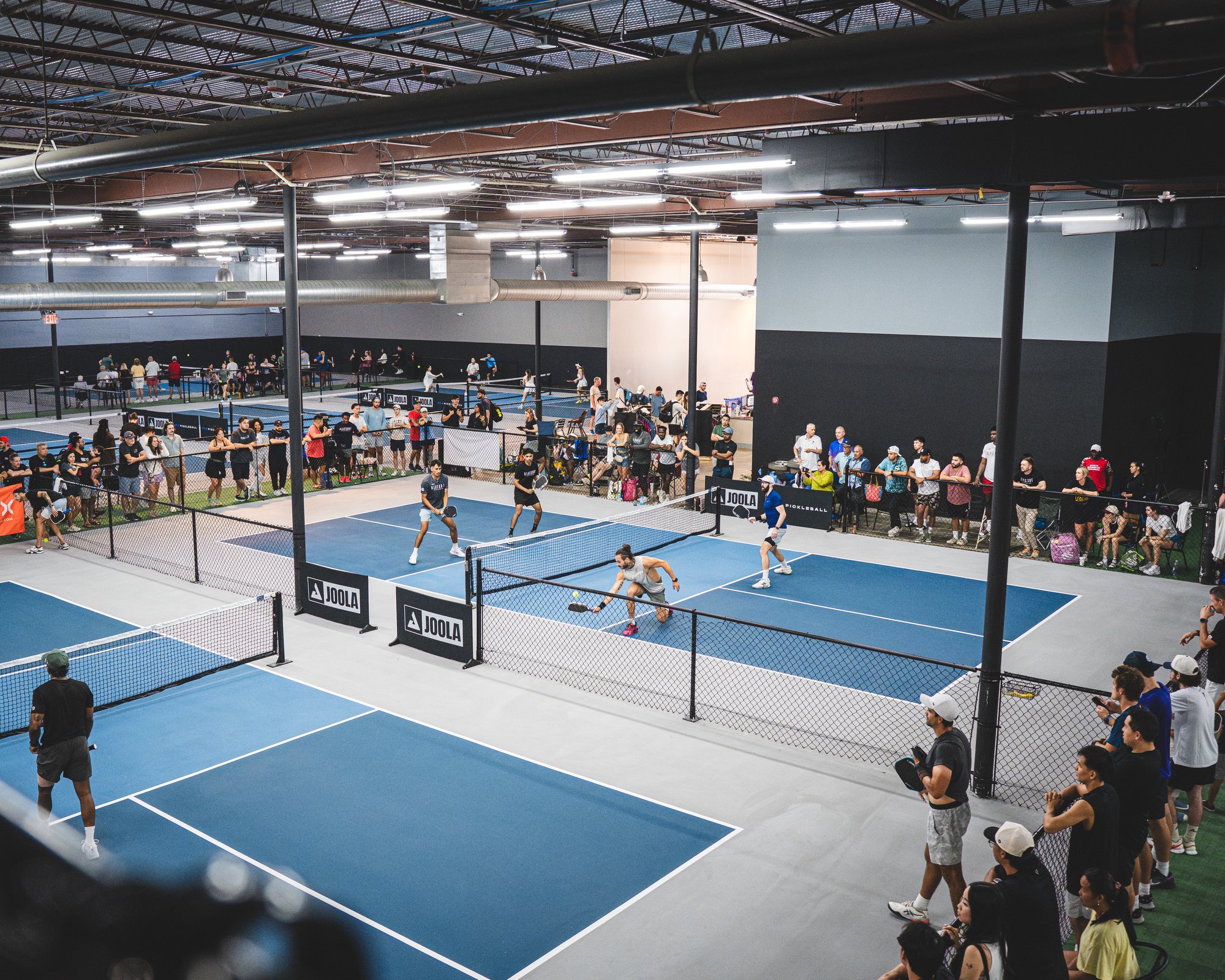
If you’re approaching Era Pickleball with a longer view, you’ll want to see how this etiquette translates into lasting relationships and even opportunities. A culture that prioritizes etiquette and teamwork becomes a performance culture by default, because players learn to trust one another. This isn’t about a single perfect match; it’s about showing up consistently, communicating clearly, and treating every court as a chance to refine technique while also building the social fabric that makes the sport sustainable. In practice, that means showing up with reliable footwear, a respectful approach to the game, and a steady commitment to improving not just your own game but the quality of the entire court environment.
Two concise checklists can help you integrate best practices without turning the experience into a chore. The first is a quick pre-play routine that keeps you aligned with court etiquette from the moment you sign in to the moment you step onto the court. The second is a post-play routine for closing out a session in a way that reinforces positive behavior and prepares you for the next opportunity to play. If you want to keep them handy, you can memorize a short version that you can recite in your head before you step onto the court.
Pre-play routine:
- Confirm your partner and the service order to prevent confusion in the first rally.
- Check your equipment for signs of wear and ensure your shoes have good traction on the indoor surface.
- Set a calm pace for your warm-up that matches the rhythm of the facility and the other players on the court.
- Greet opponents and partners with a brief, respectful exchange that signals your intent to compete fairly.
- Plan a simple, repeatable serve routine and net approach that you can execute under pressure.
Post-play routine:
- Acknowledge any errors with a brief apology or acknowledgment and move on to the next point.
- Return paddles and other equipment to their proper places and collect your belongings in an orderly fashion.
- Offer a quick, constructive observation if a newer player asks for feedback, avoiding critique that could feel personal.
- Return to the bench or the sideline with a calm demeanor to begin the next rotation.
- Reflect on the session and consider one concrete adjustment to your etiquette or technique for the next match.
Era Pickleball’s indoor courts demand a level of professional engagement that many players underestimate. The discipline requested by the space is not only about winning points; it’s about winning respect for the process of playing together. The more you invest in that process, the more you’ll discover that competitive drive and courteous conduct are not mutually exclusive. They reinforce one another in a circle, strengthening your own performance and supporting the sport’s culture in ways that are visible to everyone who steps through Era’s doors.
If you’re reading this and thinking about your next visit, consider this practical takeaway: etiquette is not a set of prohibitions but a framework for confident, consistent play. It helps you avoid disruptions that break momentum, it builds trust with partners and opponents, and it creates a net positive experience for staff who manage the courts. The beauty of indoor pickleball at Era is that you can translate these ideas into real improvements on the court right away. You don’t have to wait for a special event or a formal clinic to start applying smarter habits. Start with small, deliberate acts—clear communication, respectful body language, reliable serves, and a calm, prepared presence at the net. Over time, those small acts accumulate into a dependable rhythm that makes you a player others want to partner with again and again.
For those who want to deepen the practice beyond daily play, Era Pickleball offers a variety of pathways that align with this etiquette-first mindset. You can pursue pickleball lessons to refine your technique while maintaining a high standard of on-court behavior, enroll in clinics that emphasize strategic play and court awareness, or join local leagues where etiquette and team cohesion are the baseline expectations. The facility’s indoor courts present an ideal sandbox for exploring how personal growth interacts with team dynamics, how technique evolves under pressure, and how leadership on the court emerges through consistent, considerate actions. In these environments, etiquette becomes a leadership skill as much as a social norm.
In the end, the core of Era Pickleball’s indoor court etiquette is straightforward: treat your fellow players with respect, protect the court as a shared resource, and approach every rally with intention. The results are tangible. You’ll notice your own consistency improve, your communication with partners smooths, and you’ll experience fewer disputes and more smiles across the net. The indoor game will reveal more of your adaptive capacity—the ability to shift strategy when the pace quickens, to protect your own body language under pressure, and to stay curious about how even small etiquette adjustments can shift a match’s momentum.
As you move deeper into Era Pickleball’s community, you’ll find a few moments that crystallize the etiquette ethos. A partner who praises a well-placed dink and then shifts to a supportive stance for the next rally. An opponent who calls out a potential fault with a constructive tone, followed by a smile that signals mutual respect. A staff member who steps in with a quick, practical suggestion about line calls or equipment placement, not as a critique but as a helpful guide. These micro-moments matter because they add up to a culture that makes indoor pickleball more than a game. It becomes a shared practice of self-discipline, mutual accountability, and genuine enjoyment of play.
If you take away one idea from this piece, let it be this: etiquette in Era Pickleball is a performance of generosity. It isn’t about deference or passive compliance; it’s about actively creating space for everyone to participate with confidence. It’s about the quiet choices you make between points—how you address a crowded court, how you correct a miscall, how you recover after a tough rally. Those choices define you as a player and as a member of the Era Pickleball community. That is the essence of mastering indoor court etiquette, and it is the deepest reason the indoor game at Era remains so engaging, so challenging, and so endlessly rewarding for players who bring the right mindset to the court each time they step inside.